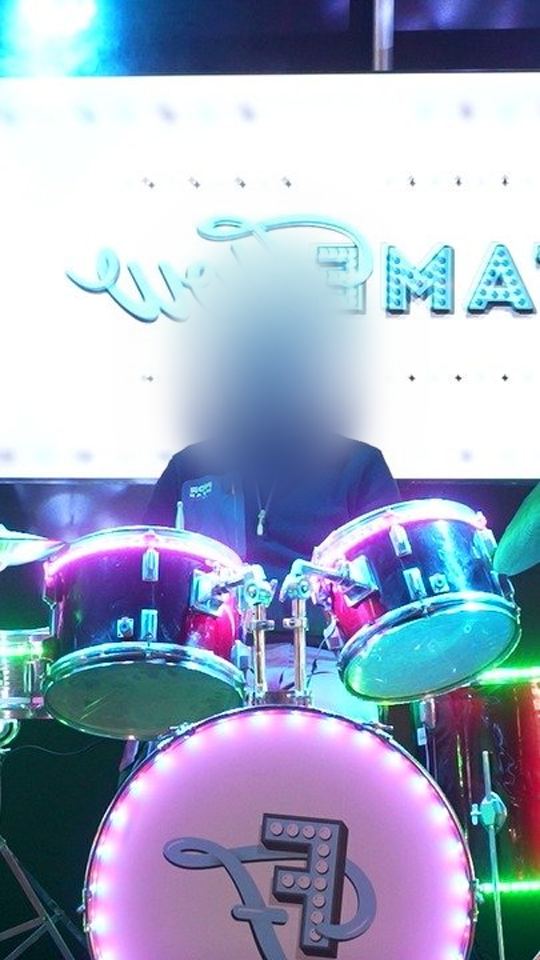
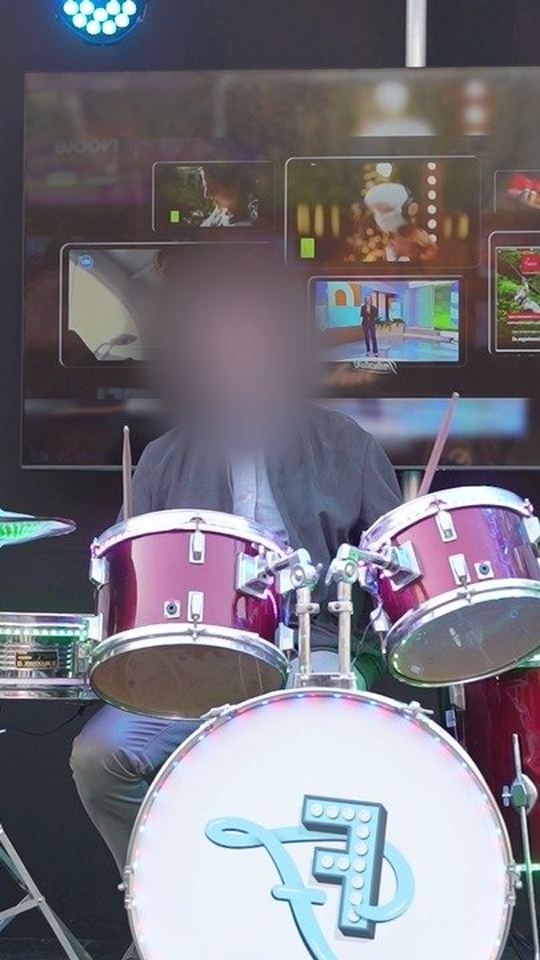
An AI photobooth I built for small businesses in Chile and for friends who were looking for something cool at their events. A guest steps in front of the camera and, about half a minute later, sees themselves in a themed portrait made by AI, with a QR code to take it home. It runs 100% on Google's APIs: no GPUs to rent or look after, just a small, cheap server that I switch on when someone asks me to bring it to an event. It started in 2025, and after a successful run in March 2026 it has since led to events here and there.
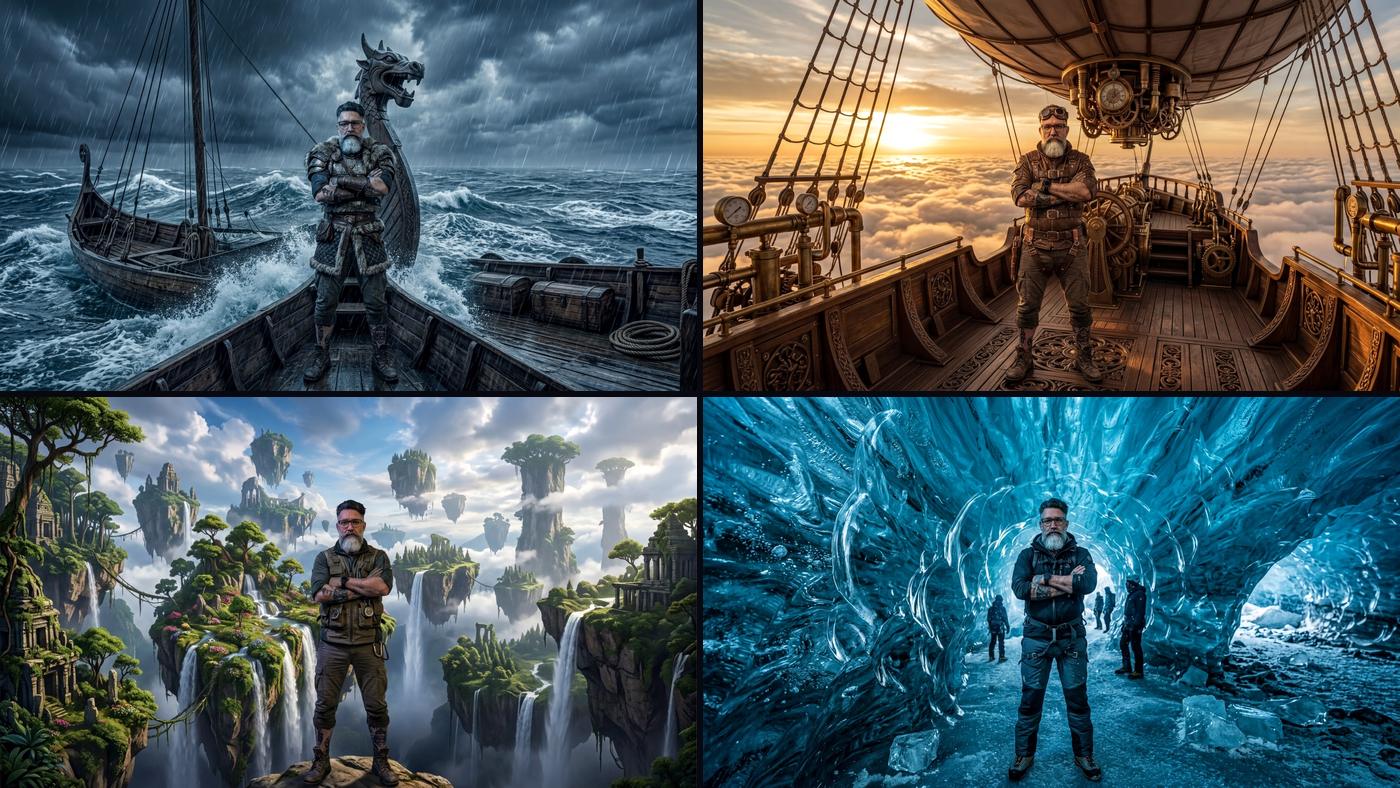
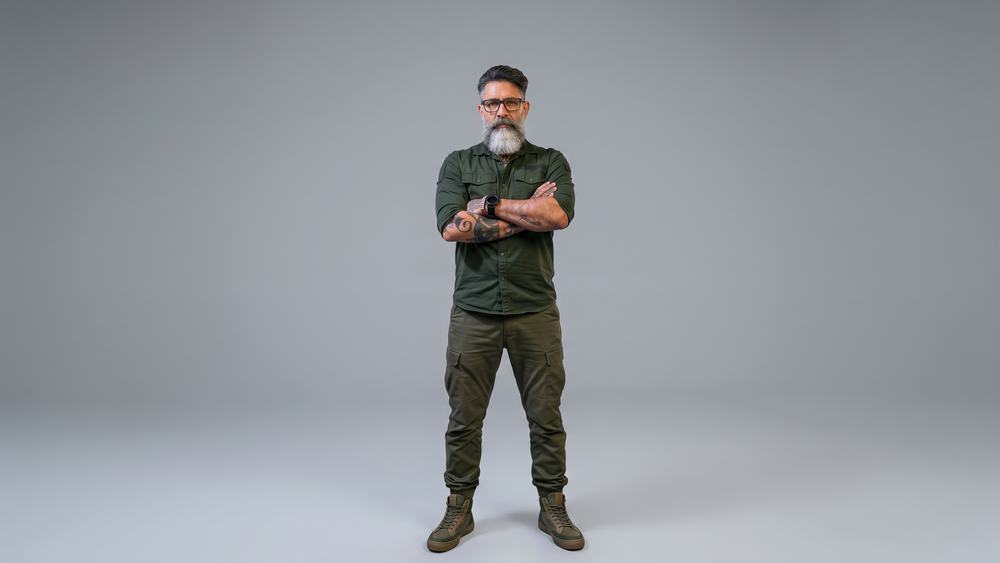
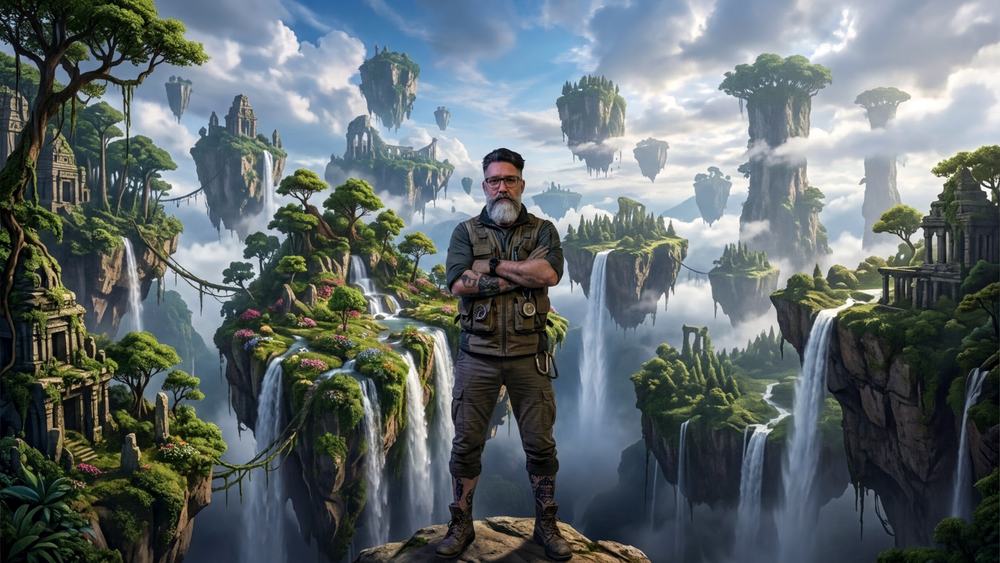
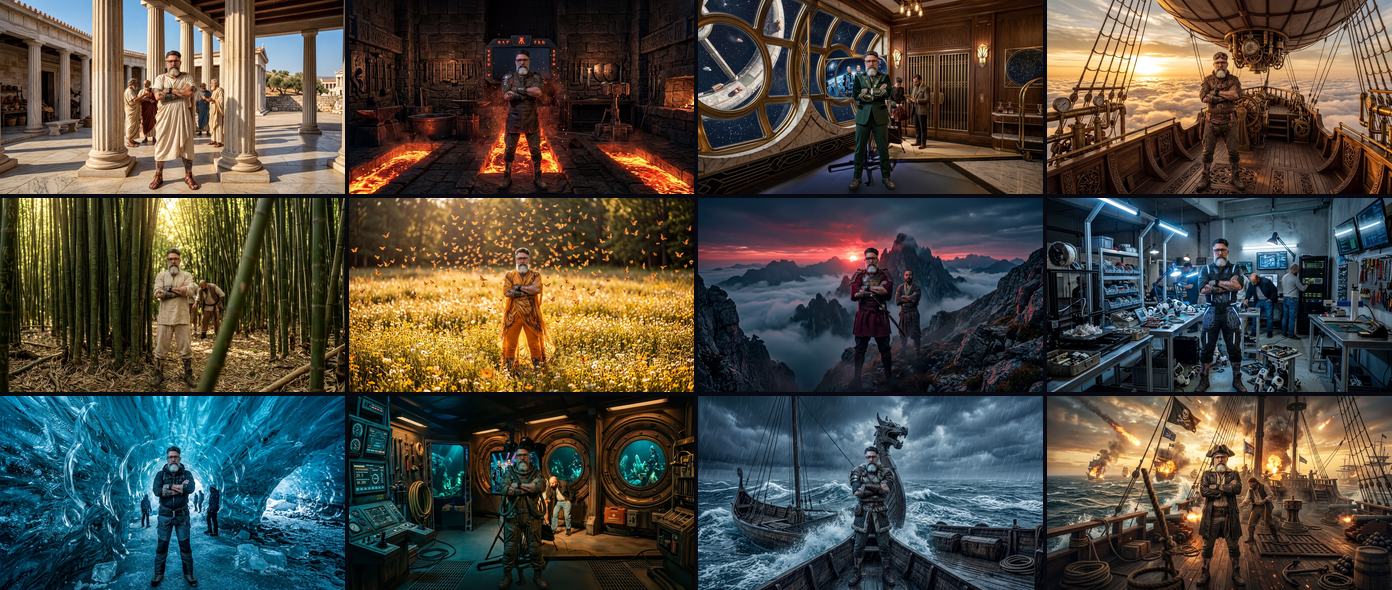
Four portraits from the same photo, with me as the model. The person stays; the world around them changes.
I built it for small businesses in Chile and for friends who were looking for a cool thing for their events: something people line up for, that sends every guest home with a picture worth sharing. It stays cheap to run because the heavy work is done by Google's APIs, not by GPUs of my own.
Gemini keeps the people and rebuilds the world around them. Before that, also with Gemini, it counts how many people are in the shot so the theme fits the group.


The booth is a full-screen web page with the camera. A phone or tablet can act as the remote: it pairs with the booth with a 4-character code, so someone on the floor can fire the shot.
A bioluminescent deep-sea trench, a volcanic forge, an ice cave, floating islands, an airship above the clouds. Themes rotate, and every event can have its own list, its own language (Spanish, English or Dutch) and its own logo.
The server sends the photo and the theme to Gemini's image API, receives the portrait and leaves it in Google Cloud Storage. The result shows on the booth screen, and the guest can retake before confirming.
On publish, a QR code takes the picture to the guest's phone and adds it to the event's gallery. When the event ends, the gallery starts a countdown and is archived after a week. If needed, the picture is cropped and rotated for printing.

Real numbers from one World Cup activation: 9 June 2026, from 7:00 to 14:00 (Chile time). The video plays the 137 portraits published that morning, in order and with their time. Faces and personal data are blurred.
Each portrait wears the jersey of the country the person chose. The booth ran on the same small server and the same Google APIs as any other event.
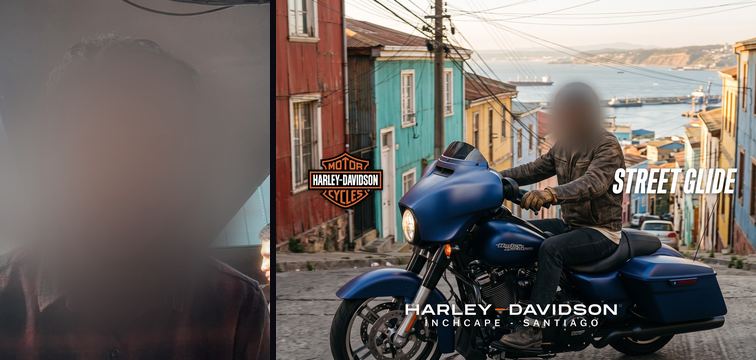
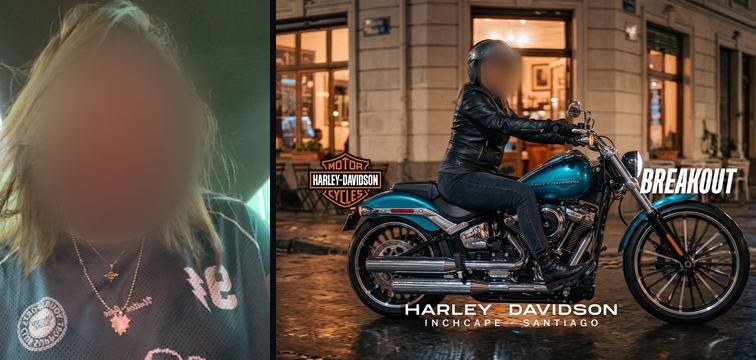
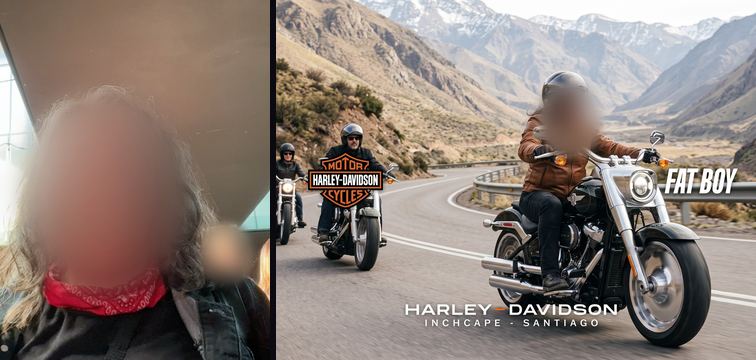
A motorcycle brand activation: 17 October 2026, from 13:39 to 21:13 (Chile time). Each guest takes a selfie and comes out riding one of the brand's motorcycles through a Chilean landscape. The video plays the 53 portraits published that afternoon, in order and with their time. Faces are blurred.


Before and after: the guest's photo on the left, the portrait on the right. Faces are blurred in both.
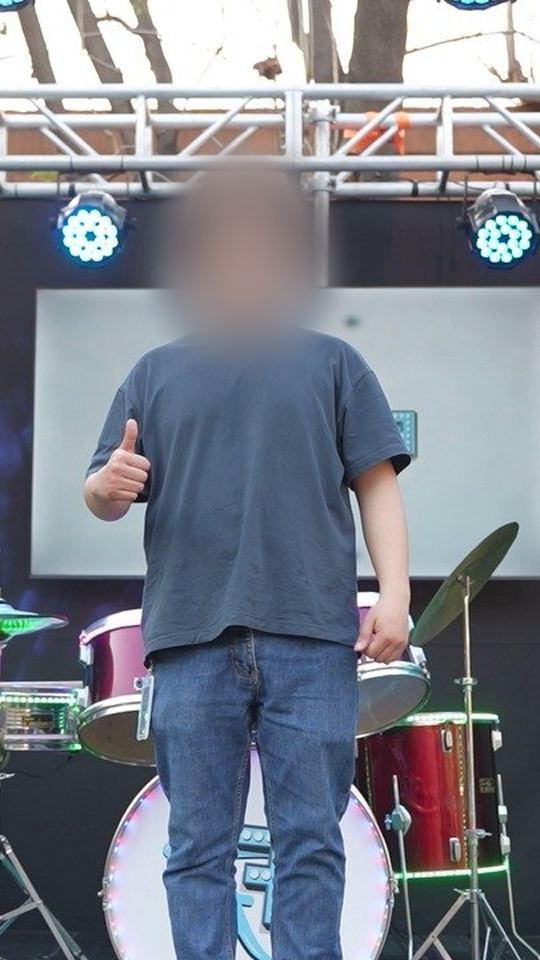
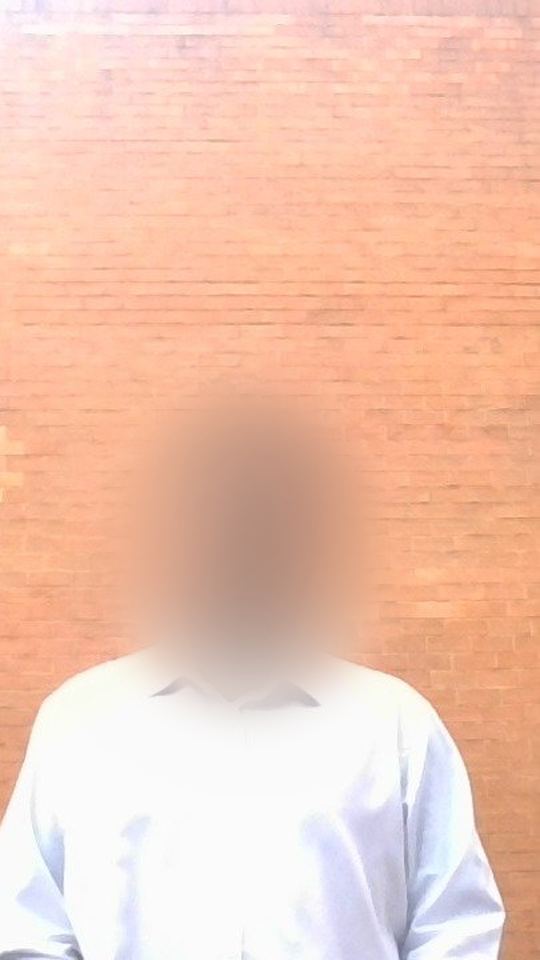
A rock-themed event: 29 October 2026, from 17:14 to 22:38 (Chile time). Guests are photographed and come out as rock stars, and almost every portrait also became an 8-second video. Here are four of the 25 videos, each next to the photo the guest took. Faces are blurred in both.
before
before
before
beforeThe small server only passes messages: it receives the photo, calls Gemini, stores the result in Cloud Storage and tells the booth and the remote. There are no GPUs to rent and no models to host, and the server only runs when someone asks me to use the booth.
An event has its own address, logo, language and theme list. When it ends, the booth is closed and the gallery is archived a week later.
Any phone or tablet works as a remote shutter with a 4-character code. There is nothing to install.
A panel to create and close events, edit the themes and see a metrics dashboard: images generated, published and printed, and gallery visits.
The picture waits in a temporary area until the guest decides to publish it. Only then does it move to the gallery and get its QR.
The images come from a Gemini image model in preview. If Google changes it, the look of the portraits can change with it.
At a real event the median was about 28 seconds per photo. That is why the booth shows progress while it generates.
Session state lives in memory on a single server: up to five booth-and-remote pairs at once. That is enough for a small event, and it does not pretend to be more.
It is a generated image: a face may not look exactly like the person's.
The project begins.
The busiest stretch in my metrics log, which starts on 6 March.
After that run, events started coming in here and there. The booth remains available on demand.
The booth runs on demand: when someone asks me to use it, I switch it on. If you have an event in mind, write me.
I design, develop and run Gemini Photobooth myself. The image AI is Google's APIs.